



Linen is a natural fabric loved for its unique texture. It’s important to take care when washing or drying linen to help prevent damage and keep your garments looking their best for longer. Follow our guide for the best results.
Washing, drying and caring for linen
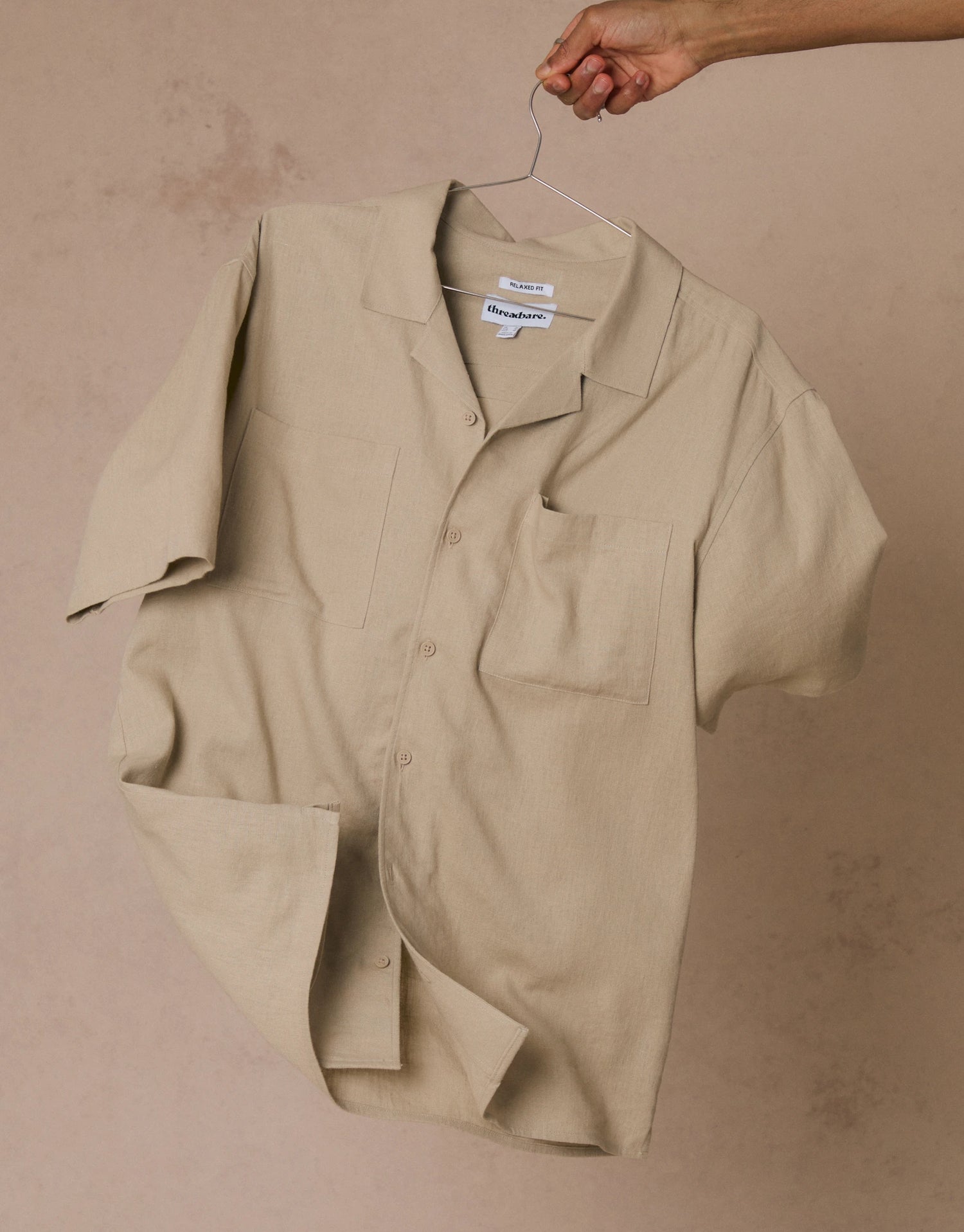
How to Wash Linen
Most linen garments are safe to machine wash, but it’s important to do so gently to maintain the structure and texture of the fabric.
Always start by checking the care label, as some finer linen garments may require hand washing.
Washing top tips:
- Wash linen in cold or lukewarm water (up to 30°C)
- Use a gentle or delicate wash cycle
- Choose a mild, bleach-free detergent
- Add fabric conditioner to help soften the fibres
- Turn garments inside out before washing to protect the surface
- Avoid overfilling the machine to help prevent creasing
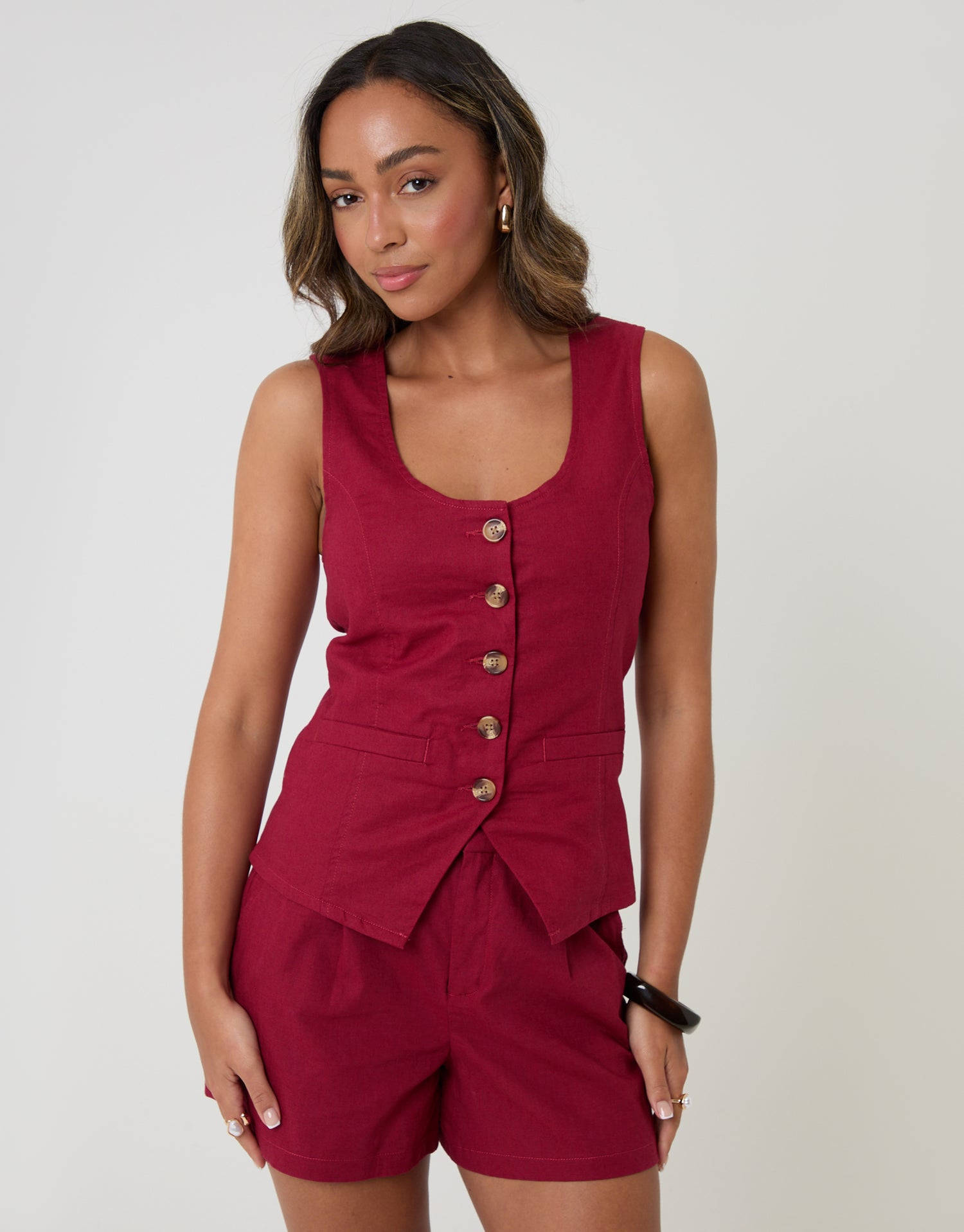
How to Dry Linen
Linen should be air dried rather than tumble dried, as high heat can weaken the natural fibres and cause your garment to lose its shape.
Drying top tips:
- Lay the garment flat on a towel to dry
- Keep out of direct sunlight to help prevent fading
- If hanging to dry, use a padded hanger
- Avoid pegs or wire hangers, which can dent or pucker the fabric
Allowing linen to dry naturally helps maintain its texture and prolong the lifespan of the garment.
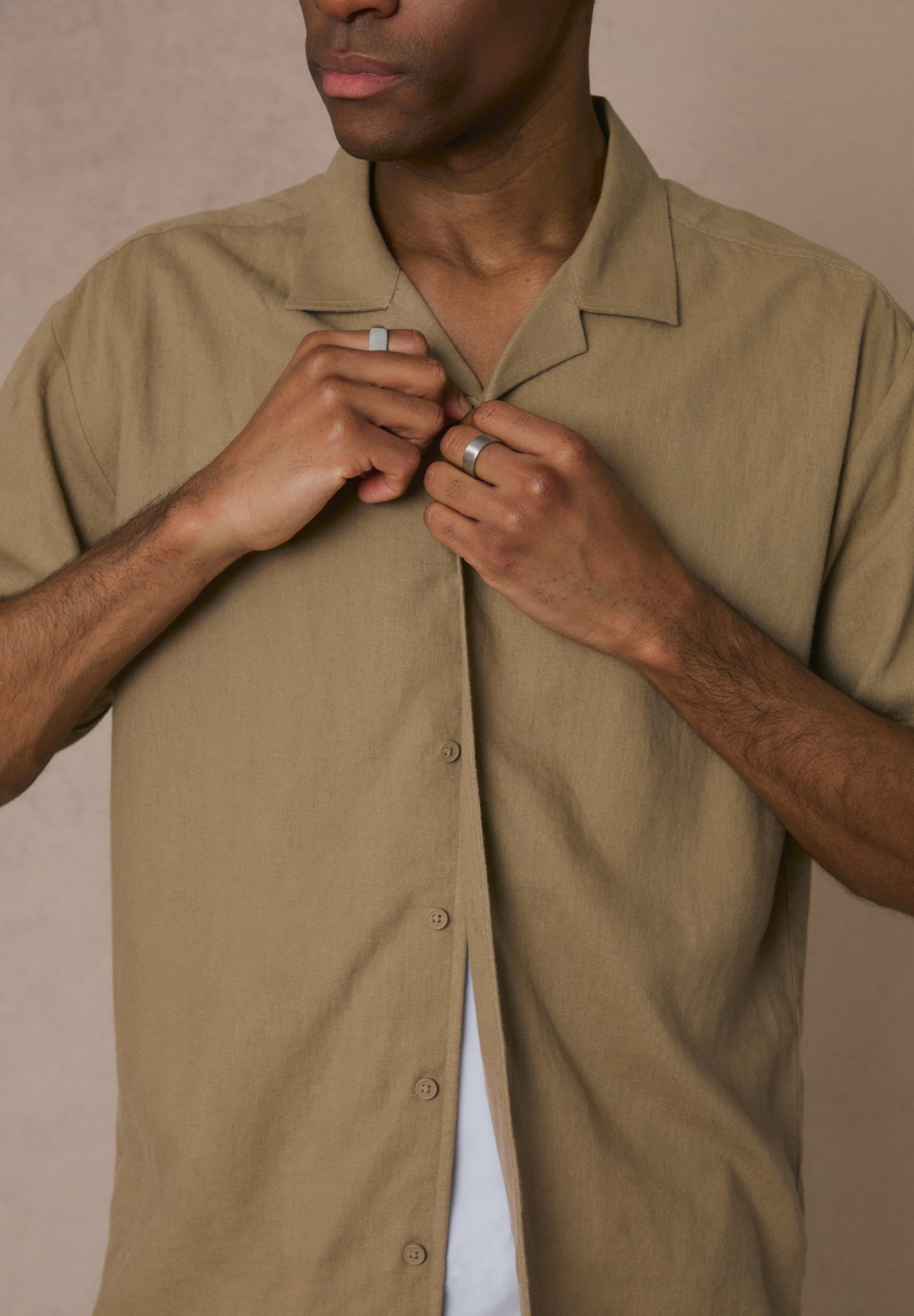
How to Iron Linen
Linen naturally creases which is part of its relaxed look, but if you do need to iron your linen garment, it's important to do so correctly to protect the fabric.
Ironing top tips:
- Iron inside out to protect the fabric surface
- Use a low heat setting
- Iron while the garment is slightly damp for best results
- Avoid pressing directly onto seams, as this can weaken the fibres over time
Can you steam linen?
Steaming linen can be a great alternative to ironing as it gently relaxes the fibres without compressing or scorching them.
Can you dry clean linen?
No, you should never dry clean linen as this process uses chemical solvents that can be harsh on natural fibres and reduce the lifespan of the garment.
Getting to Know Linen Blends
While pure linen is a classic choice, some garments use linen blends to combine linen’s breathable qualities with other fibres that add softness, structure or drape.
Two of the most common blends are linen-cotton and linen-viscose.
Linen-Cotton Blends
Linen-cotton blends combine the breathability and texture of linen with the softness and structure of cotton.
These fabrics maintain linen’s natural look while feeling softer against the skin. They are also more durable and easier to care for.
Benefits:
- Softer and smoother than pure linen
- Less prone to wrinkling
- Breathable and lightweight
- Durable and easy to wear
Linen-cotton blends are an ideal fabric choice for casual everyday garments such as trousers, shirts, summer dresses and shorts.
How to Care for Linen-Cotton
Linen-cotton blends are generally easier to care for than pure linen, but it’s still best to wash them gently.
Top tips:
- Machine wash on a gentle cycle
- Use cold or lukewarm water (up to 30°C)
- Choose a mild detergent
- Avoid overfilling the washing machine
- Air dry where possible to protect the fibres
- Iron on a low heat
Linen-Viscose Blends
Linen-viscose blends combine the breathability and texture of linen with the drape and softness of viscose.
These fabrics work particularly well for smarter styles.
Benefits:
- Softer and smoother than pure linen
- More fluid drape for a tailored look
- Less prone to wrinkling
- Lightweight and breathable
Linen-viscose blends are ideal for smart casual and tailored styles such as waistcoats, co-ords, trousers and dresses.
How to Care for Linen-Viscose
Because viscose fibres can be quite delicate when wet, linen-viscose garments need to be washed with care.
Always check the care label first, as some garments may require hand washing.
Top tips:
- Machine wash on a gentle cycle
- Use cold or lukewarm water (up to 30°C)
- Choose a mild detergent
- Avoid overfilling the washing machine
- Air dry rather than tumble dry
- Steam where possible, or iron on a low heat


